Many similar customer questions
Opening hours, delivery times, prices on request, order status: answers around the clock, based on your own information.
We build AI automations for small and mid-sized businesses in Austria, Germany and across the EU that take repetitive work off your team: answering and sorting customer enquiries, drafting emails, booking appointments, reading documents and sending reports. We start with one clearly defined workflow, check that it saves time, and only then build further.
Teams where the same questions, emails and data entry come back every day, and someone should be busy with more important work. You don’t need an IT department or AI knowledge in-house.
Opening hours, delivery times, prices on request, order status: answers around the clock, based on your own information.
Incoming emails are read, sorted and passed to the right person with a draft reply.
Requests turn into free slots, confirmations and reminders, without phone ping-pong.
Forms, orders and documents land in your spreadsheet, CRM or shop system automatically.
Typical workflows we build for small businesses. Each one can start on its own.
An assistant on your website and on WhatsApp that answers common questions and hands over to a person when needed.
Categories, urgency and reply drafts, so your team only checks and sends.
Enquiries and appointments are sorted day and night and routed to the right person.
Quotes, delivery notes or requests are turned into structured data instead of being typed in by hand.
The numbers you check every morning arrive in your inbox, already summarised.
Forms that store, classify and confirm enquiries instantly, like the enquiries on this website.
Good automation starts with honest limits. This is how we split work between AI and your team, and how we handle the EU rules.
The GDPR applies to AI as well. We document which data goes where and choose providers that offer a data processing agreement. The EU AI Act requires that people can tell when they are talking to an AI system, and our assistants say so.
Before launch we record how much time a workflow takes today. After launch we compare. If an automation brings no benefit, we say so instead of building it out further.
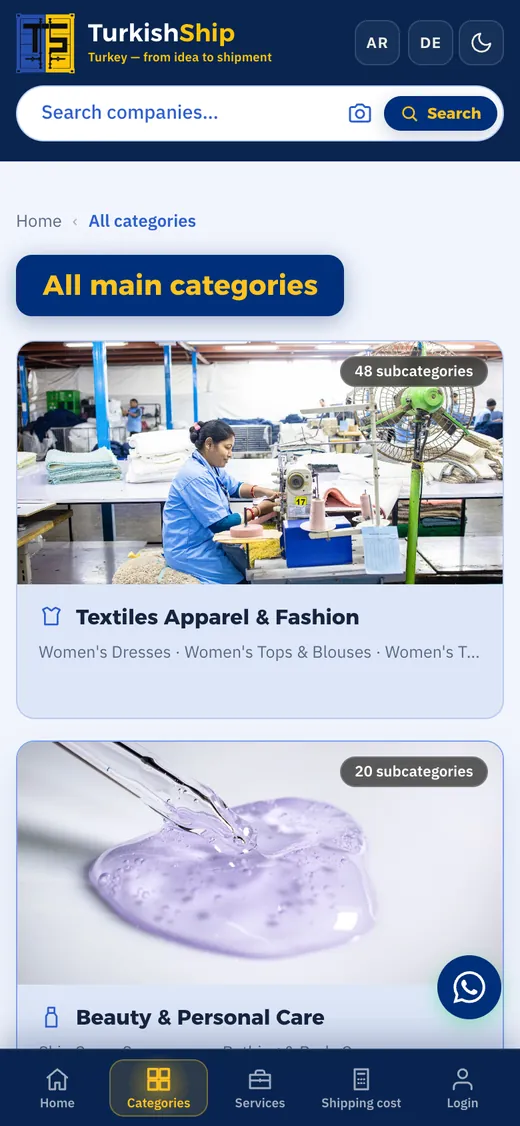
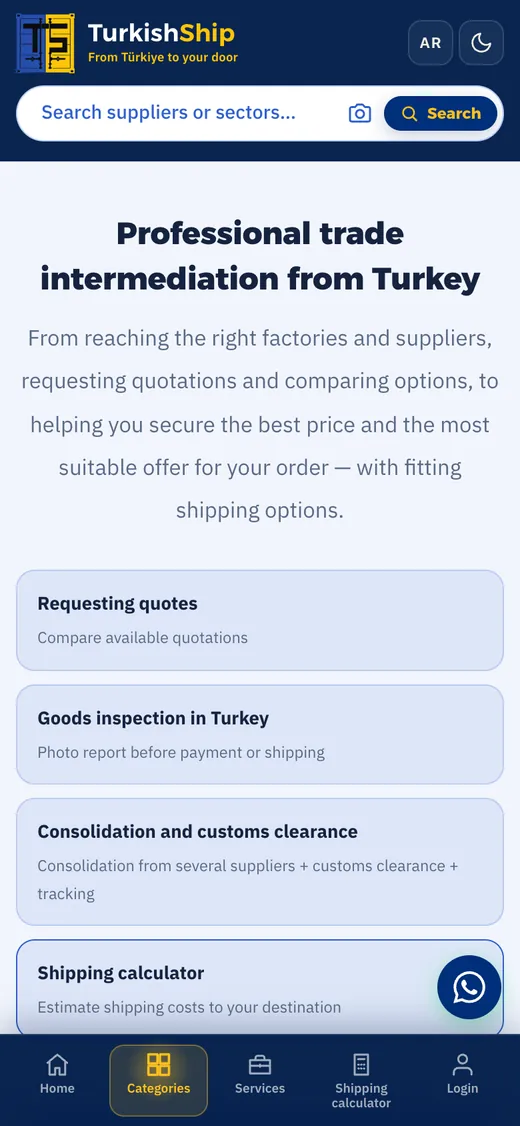
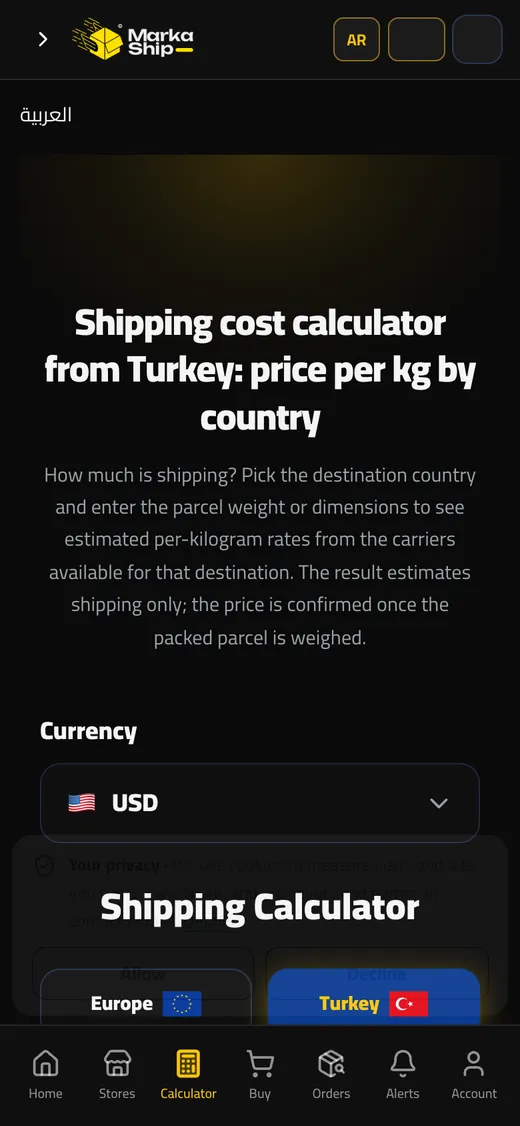
Platforms where we replaced manual steps with clear, automated flows. Both are live.
An Arabic catalogue of Turkish factory products for business buyers.
A buy-and-ship platform for shoppers outside Turkey.
Small, measurable steps. Your team stays in control at every stage.
In a call we find the workflow that costs the most time today and has clear boundaries.
A written plan: what is automated, where a person signs off, which data flows where, at a fixed price.
The automation first runs alongside your team. They see every answer before it goes out.
Only when the results are right does the system take over. Your team gets a short introduction.
We compare the time spent with before and decide with you which workflow comes next.
What small and mid-sized businesses ask most before their first automation.
No. We plan, build and look after the automation. Your team gets a short introduction so everyone knows what the system does and where its limits are.
We choose per task. We make sure the provider offers a data processing agreement and does not use your data for training, and we record the choice in the scope.
We don’t publish prices. You get a written scope with a fixed quote for the build. Running costs, such as usage of an AI model, are listed separately in it.
Compliance depends on how a system is set up and used, and your company stays responsible for its data. We design for it: only the data a workflow needs, documented data flows, providers with a data processing agreement and people deciding on sensitive cases.
Anything with an interface or an email inbox: website forms, mailboxes, WhatsApp Business, calendars, spreadsheets and many CRM and shop systems. Where there is no interface, we check first.
With a single workflow that takes a lot of time and follows clear rules. Tell us which task annoys you most, and we will tell you honestly whether automating it is worth it.
Describe the workflow in two minutes, or book a free 20-minute call.
Three details help most: who does the task today, how often it comes up and which programs are involved.